
For the trekkers, Nepal is absolutely a paradise as it has many trek routes through the scenic Himalaya landscape. Among these, the Mardi Himal Trek and the Annapurna Base Camp (ABC) Trek are two of the most beautiful trekking routes in the entire Annapurna region. Individually, they’re both great hikes, but combined, they become a compelling and unique adventure that combines for less-explored scenic routes with the classic sight of snowcapped peaks.
With some forethought and common sense logistics, trekkers — yes you! 5 Things To Know About The Mardi Himal Trek And How You Can Do It can have the best of both worlds on a Mardi Himal trek and still experience the cultural delights of the Annapurna Base Camp trail.
Understanding the Mardi Himal Trail
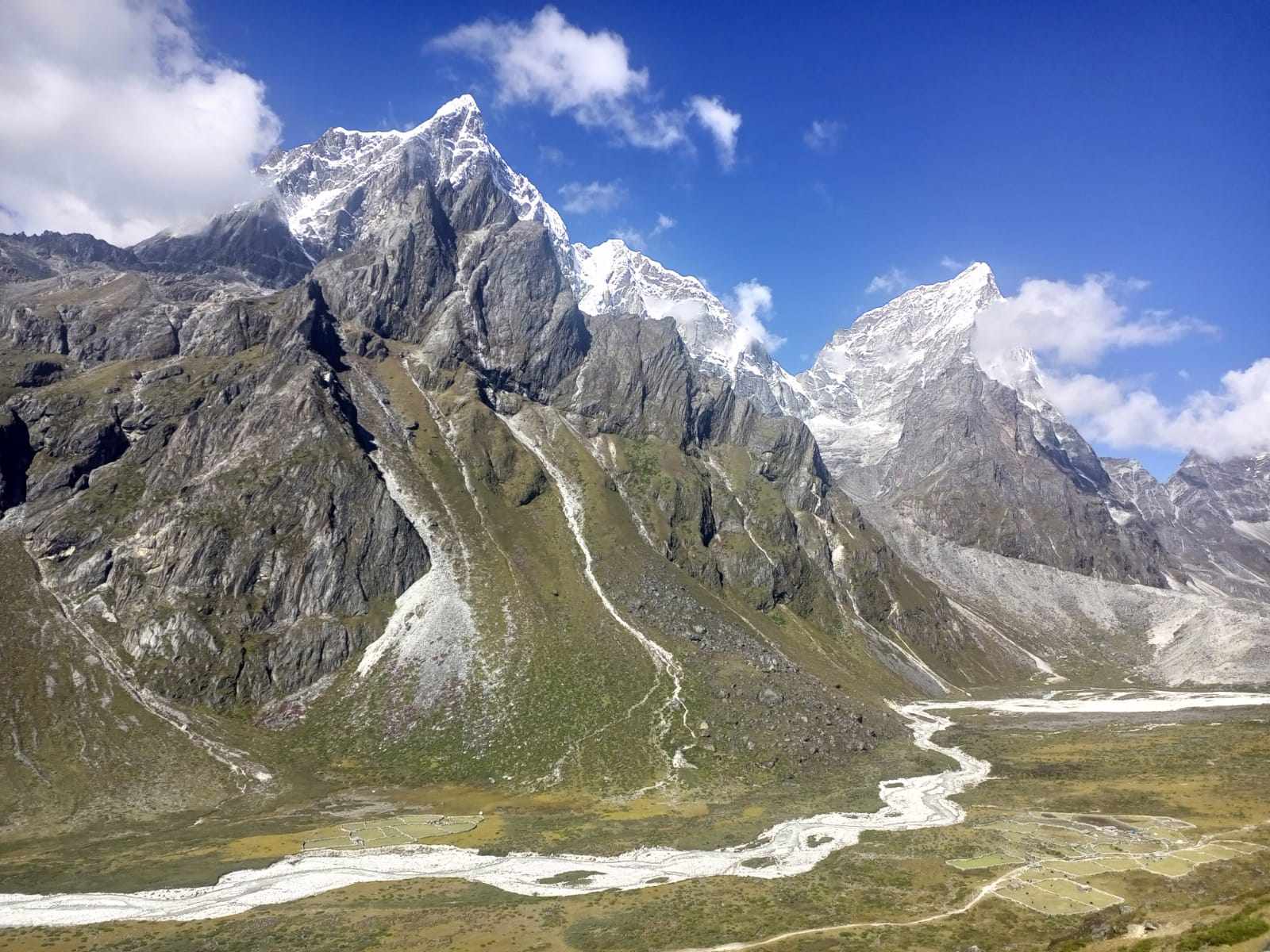
Mardi Himal Trail is one of the newly opened trekking trails in Nepal, which is a less crowded trek, perfect for escaping the crowd. Mardi Himal treks are, by and large, peaceful compared to the Annapurna Base Camp Helicopter Trek, where you have narrow lanes from morning until evening. It's miles peaceful as you stroll through top-notch rhododendron forests, crossing incredible terrace fields with lovely traditional Gurung villages.
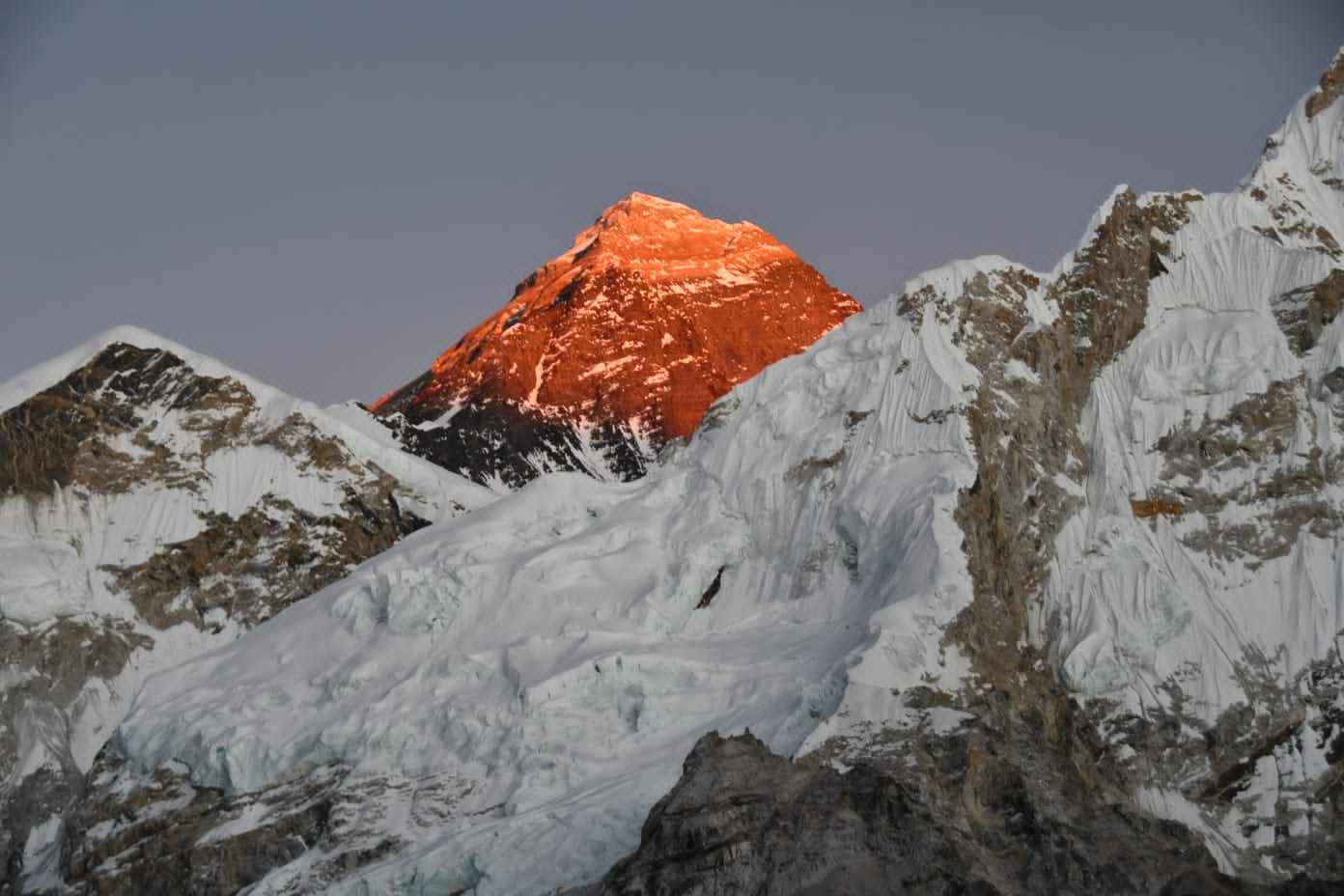
In the end, the trekkers are rewarded with the jaw-dropping view of Annapurna South, Fishtail, and Mardi Himal. The extent of trouble for the trail is slight, which allows for mild up and down hills with steady mountain climbing to reach Mardi Himal Base Camp at 4500 meters. Its appeal is the interweaving of natural beauty, cultural experience, and freedom from crowds that comes with more popular routes.
Read about the Annapurna Base Camp Trek
The third day is a big one; be sure to have an early start, get the best views, and beat the heat of midday. Trekking to the Annapurna base camp is one of Nepal’s favorite treks! Starting from Nayapul, the trails zigzag through a variety of landscapes – from subtropical jungle and terraced farmland to alpine meadows. There are traditional villages along the way, too, and you’ll be fed the same diet of local culture and warm hospitality.
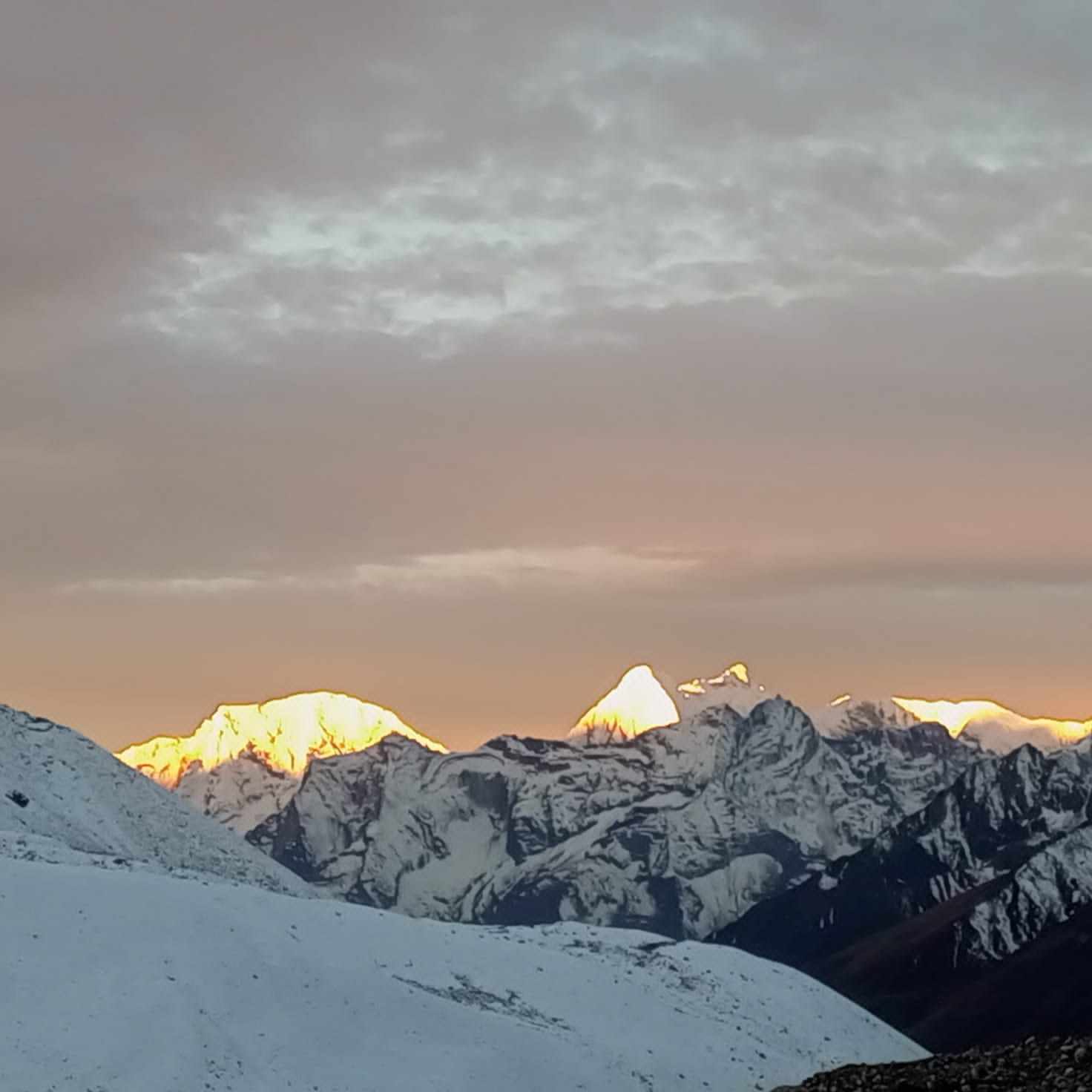
Your destination is Annapurna Base Camp (4,130 meters), which provides the world’s finest 360-degree panoramic views of imposing snow-capped peaks. It is moderate in difficulty level, has a pretty good lodging infrastructure along the way, attracting many adventurers while also offering exposure to a true Himalayan experience.
Planning the Combined Trek
Mardi Himal and ABC combined. Yep, the combination of Mardi Himal & ABC involves making plans and logistics very carefully for a seamless transition between trails. The Mardi Himal trek begins from Kande or Phedi and goes all the way to Mardi Himal Base Camp. Once you have taken in the beautiful views long enough, it’s time to descend back onto the main trail and head back closer to Pokhara.
From here, trekkers can connect the trail to Annapurna base camp via one of two potential courses (in Dhampus or Sinuwa) and link both tours as a loop. The standard, well-planned itinerary would need about 12 to 15 days, including acclimatization and pace. Some flexibility may also be necessary, as the weather or condition of a trail may necessitate changes on the fly.
Best Time to Combine the Treks
If, like me, you’re keen on doing Mardi and an ABC trek together, I think timing is everything. The best times are the pre-monsoon, from March to May, and post-monsoon (late September-November), when the skies are clear, temperatures are less oppressive, and the scenery is at its most dazzling.
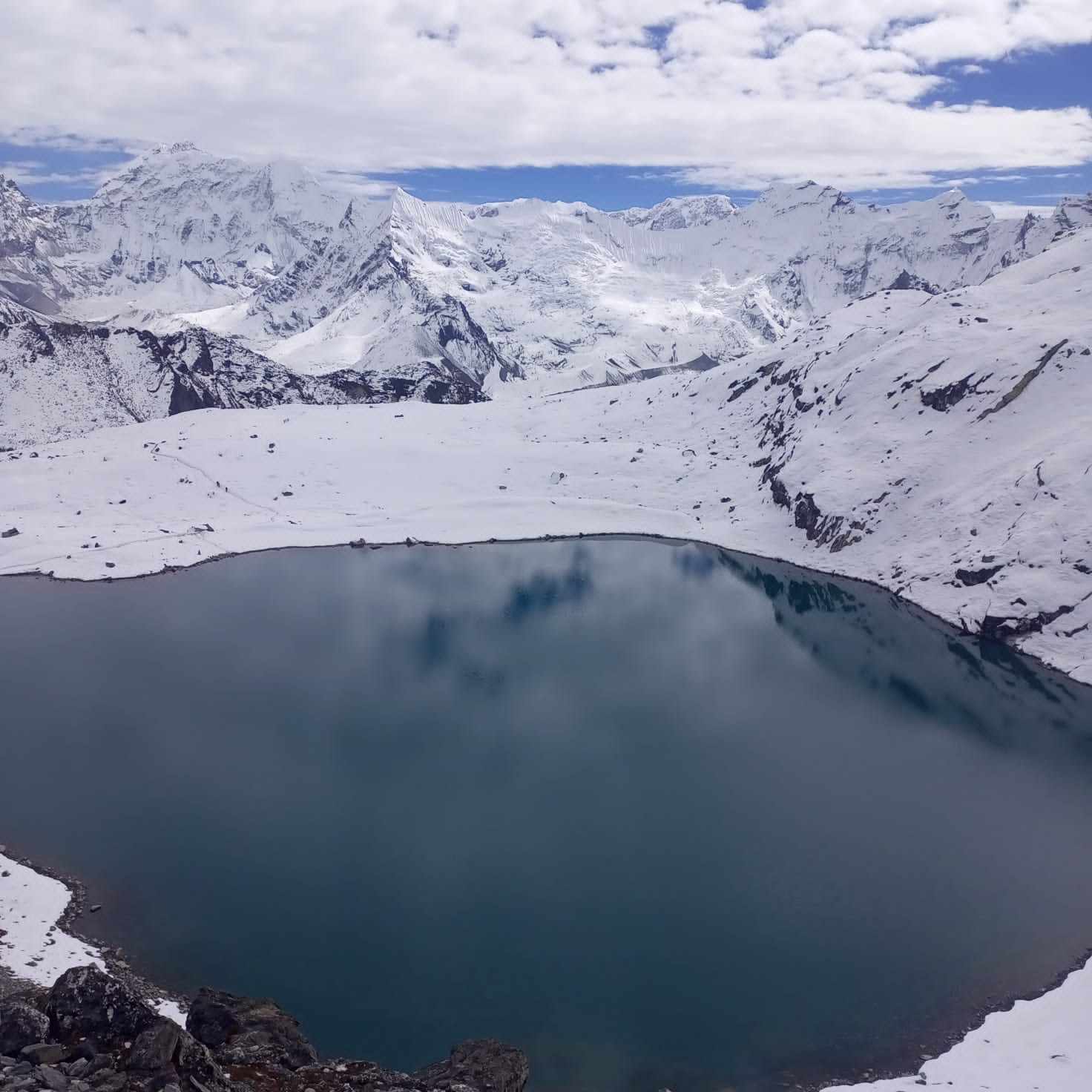
Rhododendrons bloom in pink, red, and white hues, springing up along the Mardi Himal trail, and monsoon treks provide great weather conditions with clear mountain views. Avoid the monsoon (June till September) as there is a high risk of slippage and loss of trail ways in the heavy rain. Mardi Himal & ABC treks are generally harder to trek than usual due to snow, especially at higher elevations.
Accommodation and Food Options
Both the Mardi Himal trek and Annapurna Base Camp have these teahouse lodges built, but comfort varies. Mardi Himal, on the other hand, has fewer facilities — it’s more of a back-to-basics trek with simpler lodges and less electricity higher up in the camps. ABC is a little more established, with teahouses that are able to offer warm food, hot showers, and a bed.
To link these tents, you need to plan in advance a little since the Mardi Himal does not have a lot of places where you can eat along certain parts. Bring along high-energy food, refillable water bottles , and ultralight flatware for that sense of comfort and to minimize impacts on the natural world—community-run lodges also mean community-based tourism and cultural experiences.
Physical Preparation and Acclimatization
Shared hikes necessitate decent to good physical health: one has to walk up and down hills day after day at varying elevations! Acclimatization is important to prevent altitude sickness once you reach Mardi Himal Base Camp and Annapurna Base Camp. Trekkers should plan acclimatisation rest days at Sinuwa or Deurali to allow for proper acclimatisation. Regular walking and some cardio exercises can easily tone up the body, increase stamina, and prevent fatigue during a trek. Mentally fit is also important, you are on a day for long treks, steep ascents, and the mixture of climate will take quite a bit of mental focus as well.
Maximizing Scenic and Cultural Experiences
Mardi Himal and ABC combined give you a mixed bag of everything –right from serene forest trails to spectacular mountain vistas. Above Mardi Himal, trekkers are given a respite in rhododendron woods and a sighting of Machapuchare. Still, a visit with Gurung villagers reveals the old-school existence that remains throughout the Himalaya.
There are teahouses, terraced fields, and some cultural places that trekkers encounter on their way to ABC. And these bear in mind that you are stepping into another contrast situation to showcase Annapurna. Leisurely walkers are strongly recommended to make the additional bushwalking sidetrails, meet locals, and view the uncommon flora and fauna that so enhance the scenic and cultural interest of this walk.
Packing and Gear Considerations
Gear is a large influence on a combined day hike, because the terrain and altitude are so varied. Wear layers – it’s usually cold in the morning and warm to hot for a sunny afternoon. Wear solid hiking boots as the ground is often uneven. Essentials are a day pack, reusable water bottles, a headlamp, and hiking poles.
For Mardi Himal, you might need your sleeping bag and a small stove for higher camps; ABC boasts lodges that will usually have traditional basic bedding. Anything that gets you packing in lightweight and versatile also reduces the load on your back, and adds an eco-responsible angle to your trekking. You’re also advised to carry a first aid kit, water purifier, and minimal waste to trek “greenly” through the wilderness.
My final thoughts on connecting Mardi Himal to ABC
An epic of a lifetime that combines Mardi Himal and Annapurna Base Camp. This route allows trekkers to experience peace and tranquility amidst the less-visited treks, but enjoy the authentic beauty and culture of ABC. A successful AE trek combination can only result from proper planning in terms of timing, physical condition, logistical aspects, and environmentally friendly trekking.
By marrying adventure with obligation, trekkers guarantee their experience is as rewarding to themselves as it is to the environment and the surrounding community. Both of these treks combined make an adventurous, tough, but rewarding journey with a bunch of lifetime experiences at the top of Nepal and hospitality from the locals.


Write a comment ...