
The Everest Base Camp trek is a journey that takes you deep into the heart of the Himalayas, offering not only stunning views of snow-capped peaks and glaciers but also a unique opportunity for personal growth and reflection. Many trekkers choose to incorporate meditation into their experience, finding moments of peace and introspection amid the rugged beauty of the mountain landscape. The Himalayas are a natural environment for meditation, offering the perfect balance of solitude, serenity, and connection to nature. If you're interested in meditating while on the Everest Base Camp trek, this guide will help you make the most of your experience, blending mindfulness with your adventure.
Why Meditate on the Everest Base Camp Trek?
Meditation can be an incredibly powerful tool during a challenging trek like Everest Base Camp, where physical exertion, altitude changes, and unpredictable weather may take their toll on your body and mind. In such an environment, meditation helps to:
Reduce stress and anxiety: Trekking at high altitudes can be physically demanding, and the isolation of the mountains can sometimes feel overwhelming. Meditation helps quiet the mind and reduce any anxiety, helping you stay focused and relaxed throughout your trek.
Enhance mindfulness: The Himalayas are a place of incredible natural beauty, and practicing mindfulness meditation allows you to fully immerse yourself in the present moment. By focusing on the sounds of the wind, the rustling of leaves, or the sight of the towering peaks, you can cultivate a deep sense of gratitude and awe.
Improve physical well-being: Meditation has been shown to help with breathing control, which is especially beneficial at high altitudes. Focusing on your breath can help you maintain a steady pace, conserve energy, and adjust to the thin air.
Find inner peace: The spiritual energy of the Himalayas has been recognized for centuries by pilgrims and trekkers alike. The mountains have a sense of timelessness and tranquility that provides an ideal backdrop for introspection, giving you the space to find a sense of calm and connection to something greater than yourself.
Best Times and Locations to Meditate
Finding the right time and place to meditate is key to making the experience meaningful. Here are a few suggestions on when and where to meditate during your trek:
1. Morning Meditation at Sunrise
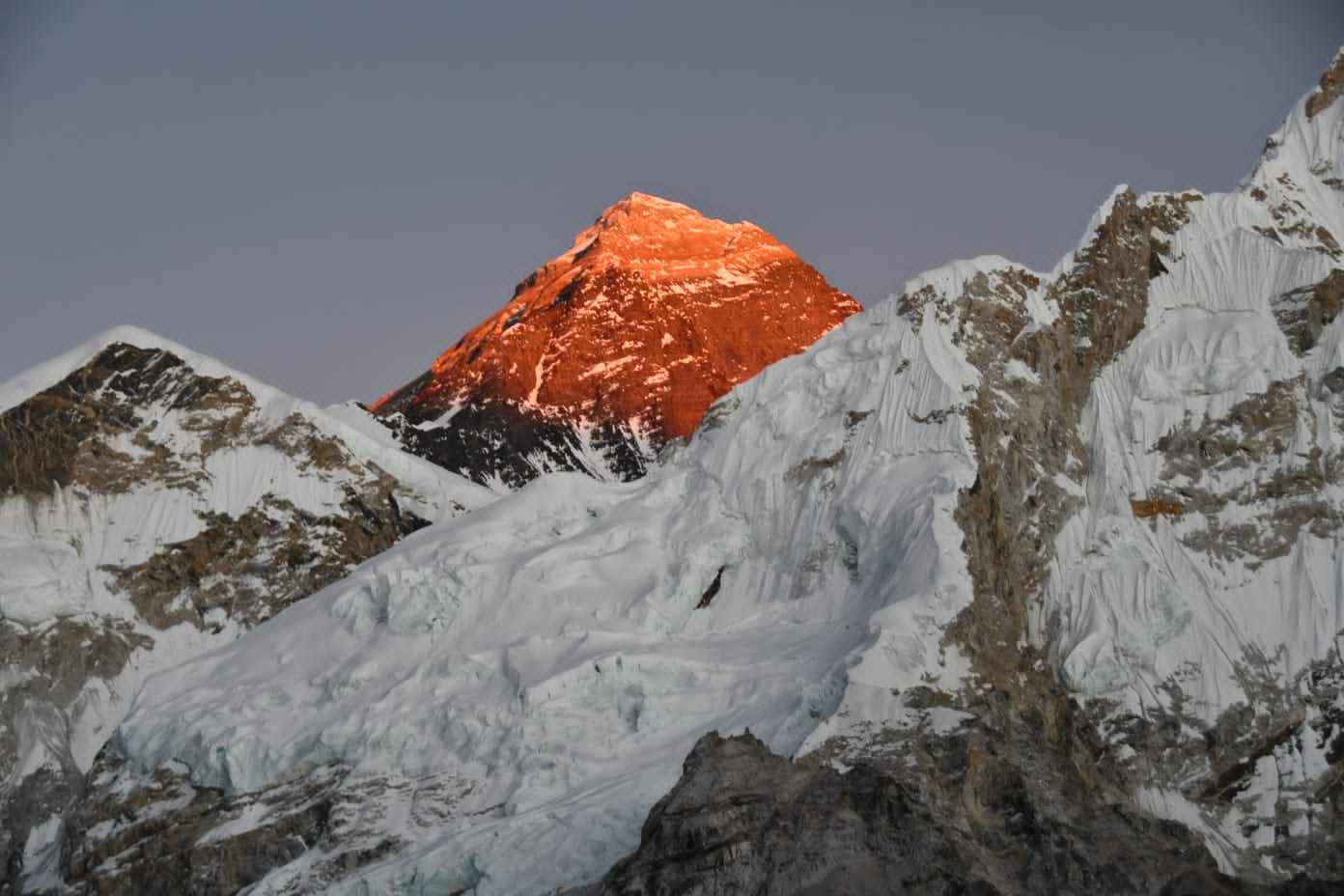
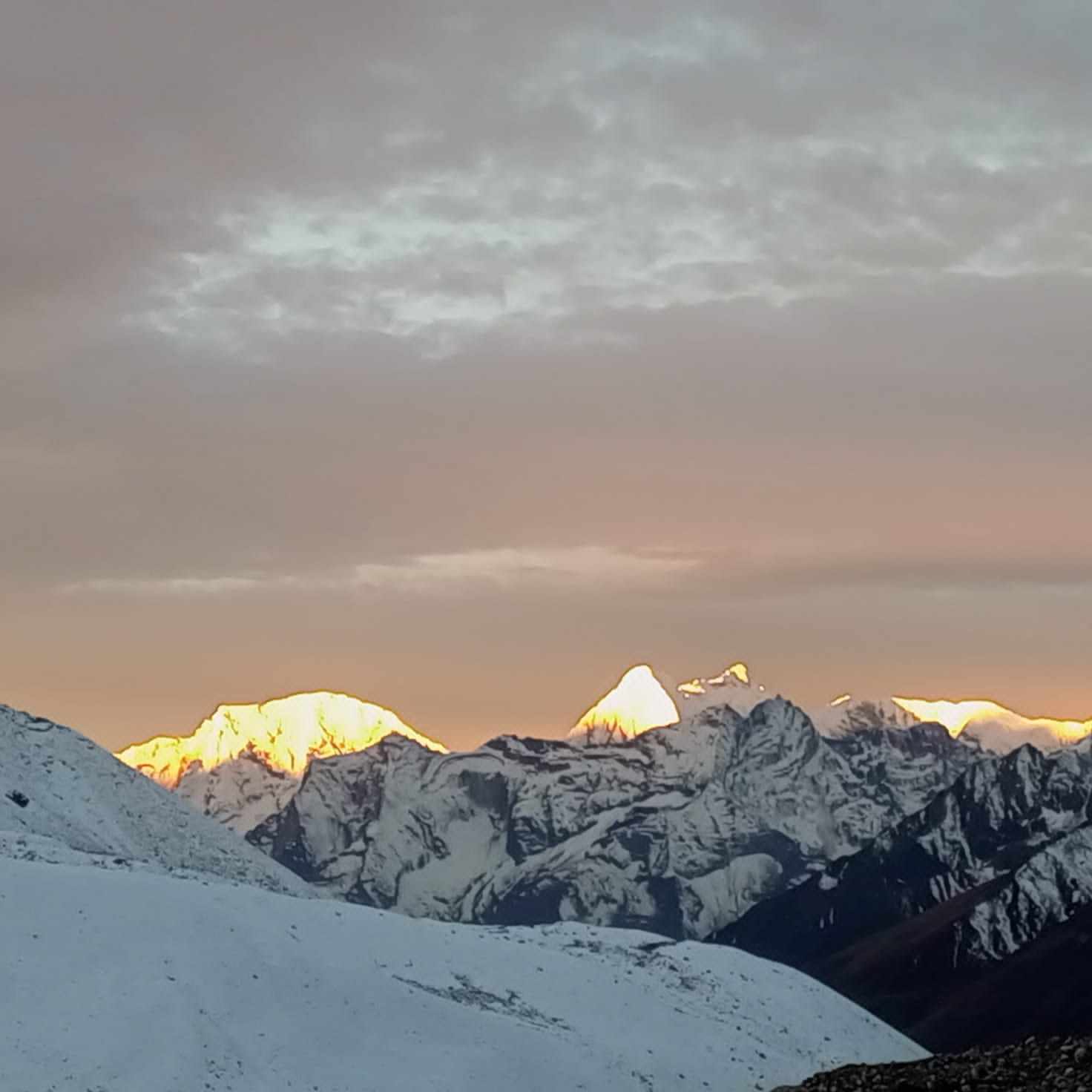
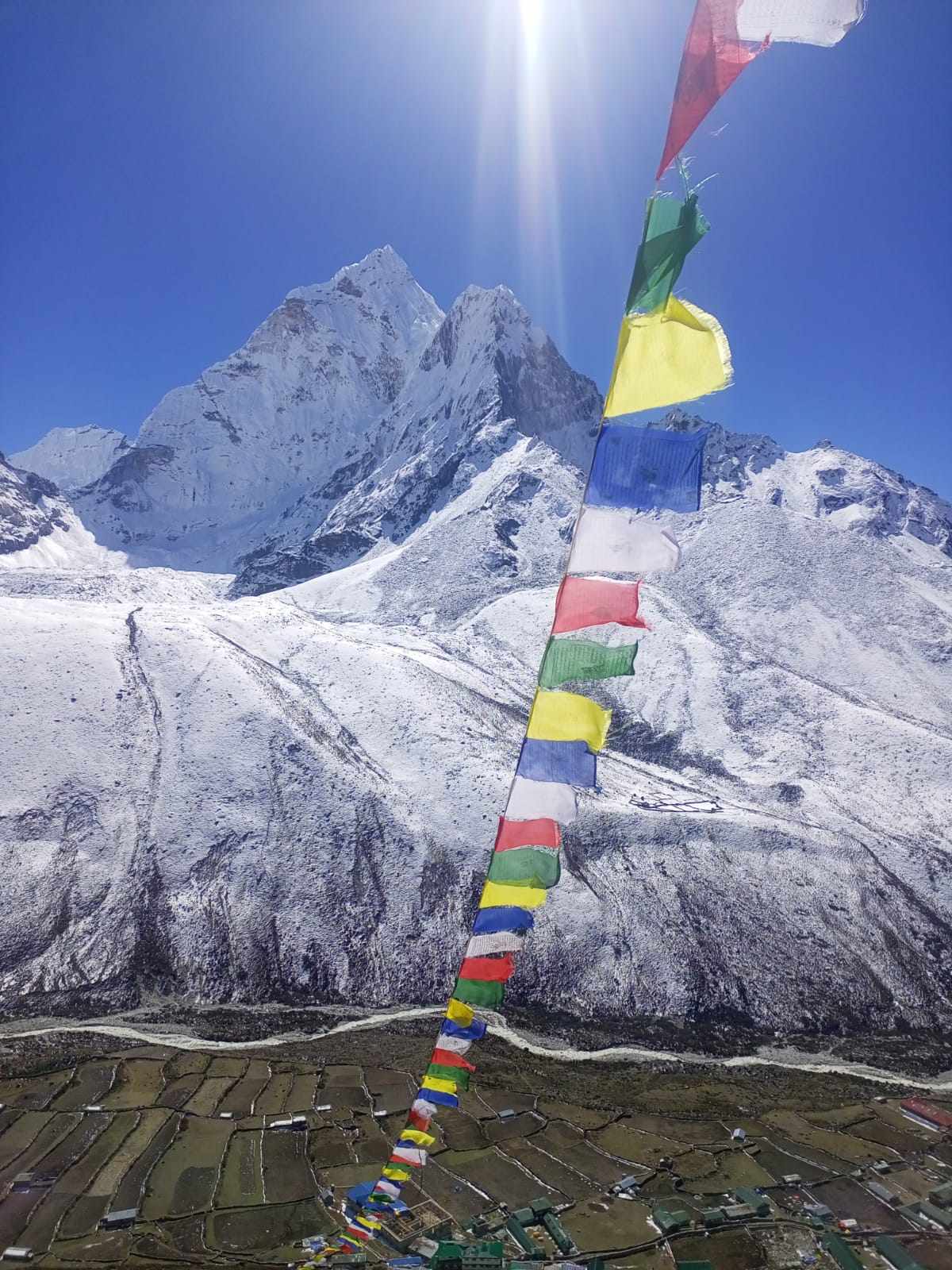
One of the most magical times to meditate in the Himalayas is at sunrise. Waking up early, when the air is still and the world is quiet, allows you to start the day with a clear, focused mind. At higher altitudes like Namche Bazaar or Dingboche, the sunrise views are awe-inspiring, with the first light of day illuminating the snow-covered peaks of Mount Everest and its neighboring mountains.
Find a peaceful spot with an unobstructed view of the surrounding mountains. As the sun rises, close your eyes, take deep breaths, and center yourself. Focus on your breath or practice a simple mindfulness technique, bringing your awareness to the present moment.
2. During Trekking Breaks
You don’t have to wait for a designated time to meditate. You can incorporate moments of mindfulness into your trek as you walk or during your rest breaks. Trekking through the Himalayas offers plenty of opportunities to pause and take in the beauty of your surroundings. When you stop for a break, sit comfortably and close your eyes. Focus on your breath, the sounds around you, or even the sensations in your body as it moves and adjusts to the terrain.
You can also use your trekking poles as a way to deepen your practice. As you walk, focus on your steps, your breathing, and the rhythm of your movement. Walking meditation can be a powerful way to stay grounded and calm during the physical challenges of the trek.
3. At Teahouses and Rest Stops
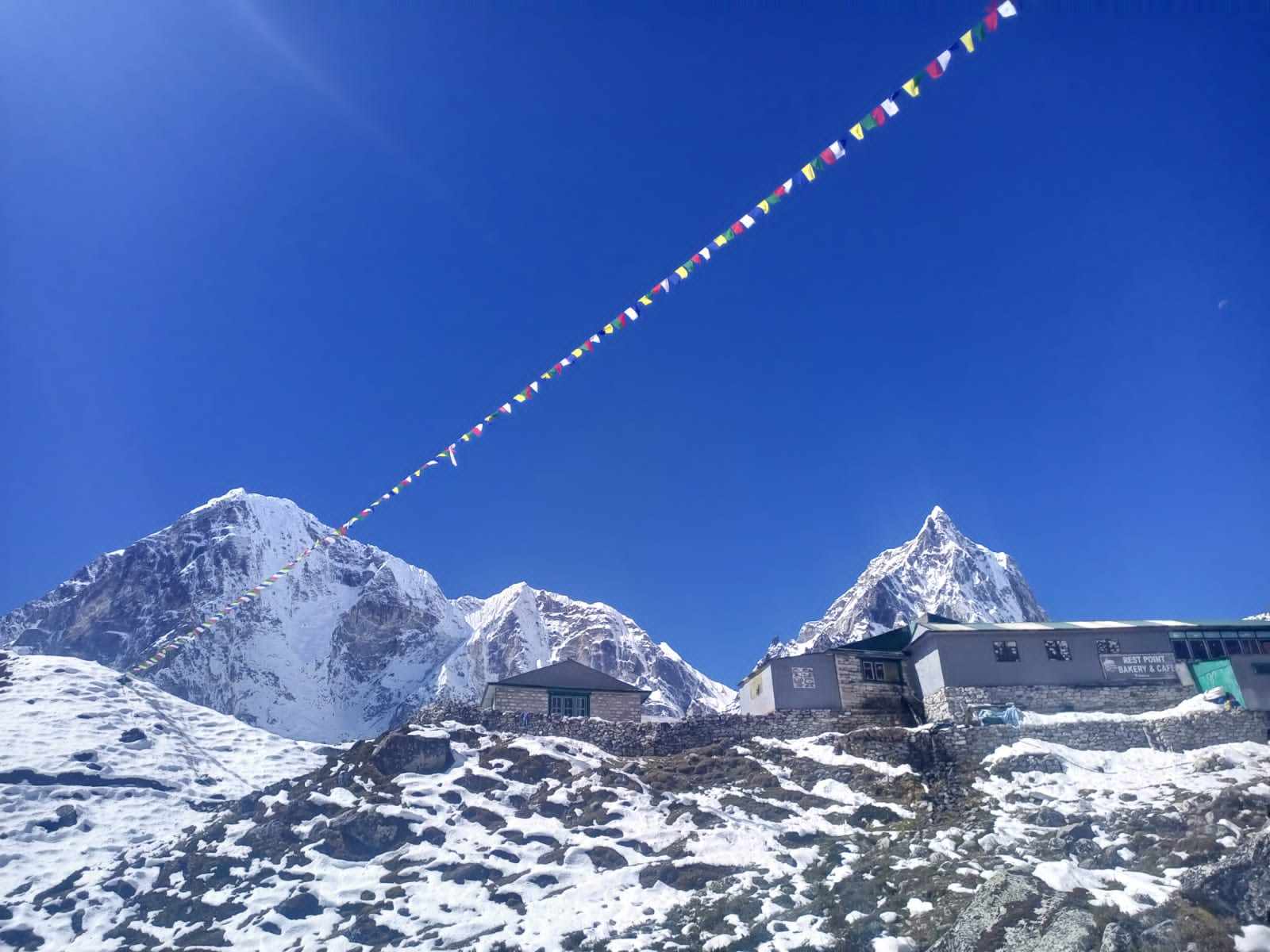
Many teahouses along the Everest Base Camp trek offer a peaceful and quiet environment, especially during the early morning or late afternoon when there are fewer trekkers. After a long day of trekking, a quiet moment in the teahouse can provide the perfect space for reflection and meditation.
Seek out a corner with a view, or find a quiet space away from the hustle and bustle. Sit comfortably, breathe deeply, and let go of any tension in your body. Let the natural surroundings of the Himalayas be your guide as you settle into a deeper state of relaxation.
4. In Sacred Spaces Like Monasteries
Along the trek, you’ll come across various Buddhist monasteries, stupas, and prayer wheels. These sacred spaces offer a unique opportunity to meditate, as the atmosphere is infused with spiritual energy.
Tengboche Monastery, for example, is one of the most famous spots for meditation along the trail. The monastery is situated at a high elevation with a stunning backdrop of Mount Ama Dablam, and the serene environment is perfect for reflection. Spend time here meditating or simply sitting in silence, absorbing the peaceful surroundings.
In addition, if you’re traveling with a guide, you may have the chance to attend a blessing ceremony or a short meditation session with a local monk, which can be an enriching experience.
Meditation Techniques to Practice on the Trek
There are several meditation techniques that can be easily adapted to the conditions of the Everest Base Camp trek. Whether you’re a seasoned meditator or a beginner, these techniques can help you stay grounded and present.
1. Mindfulness Meditation
Mindfulness meditation is one of the simplest and most effective techniques for trekkers. This involves paying close attention to the present moment without judgment. You can practice mindfulness while walking, sitting, or resting.
To begin, take a few deep breaths and focus on your breath as you inhale and exhale. If your mind begins to wander, gently bring your focus back to your breath. You can also bring awareness to the sensations in your body, the sounds around you, or the feeling of your feet on the ground as you walk.
2. Breath Awareness Meditation
Breath awareness meditation is particularly beneficial at high altitudes, where air is thin and breathing can feel labored. By focusing on your breath, you can calm your mind, regulate your breathing, and become more aware of your body’s sensations.
To practice this, find a comfortable seat or standing position and focus on the natural rhythm of your breath. Notice the sensation of the air entering and leaving your nostrils, or the rise and fall of your chest and abdomen. As you focus on your breath, try to slow your breathing down, making each inhale and exhale long and deep. This technique can help you stay calm and centered throughout your trek.
3. Loving-Kindness Meditation (Metta)
Loving-kindness meditation, or Metta, is a form of meditation in which you silently repeat phrases wishing well-being and happiness for yourself and others. In the context of the Everest Base Camp trek, you can practice this technique by sending loving thoughts to your fellow trekkers, the local Sherpa people, and all living beings in the Himalayas.
You can silently repeat phrases like, “May I be happy, may I be healthy, may I live with ease,” and then extend the same wishes to others. This meditation promotes a sense of compassion and connection, which is especially powerful in the remote, high-altitude areas where the trek can sometimes feel isolating.
4. Guided Meditation or Visualizations
If you find it difficult to meditate on your own, you can use guided meditations or visualizations. You can download meditation apps or audio files before your trek that guide you through a meditation session, or you can visualize yourself in a peaceful, calming environment.
While trekking, you can imagine yourself sitting in a tranquil spot, feeling deeply connected to the mountains and the natural world around you. Allow your visualization to bring you a sense of peace and relaxation, focusing on the sights, sounds, and sensations that you are experiencing.
Final Thoughts on Meditating in the Himalayas
Meditating in the Himalayas during the Everest Base Camp trek offers a profound opportunity to connect with both nature and your inner self. The peace and stillness of the mountains provide the perfect environment for meditation, where you can enhance your physical stamina, calm your mind, and experience moments of clarity and reflection.
By incorporating meditation into your trekking routine, whether it’s during your breaks, in the early morning hours, or at sacred sites, you can deepen your experience of the trek and gain a greater sense of appreciation for the beauty, serenity, and spirituality that the Himalayas offer.
Remember, the key to meditation is consistency and patience. Whether you meditate for a few minutes each day or find longer moments of reflection, these practices will help you stay grounded and balanced throughout your journey to Everest Base Camp.


Write a comment ...