
Annapurna Base Camp (ABC) trek is the best trek for trekkers who want to experience some of the most beautiful and amazing scenes all over the world. Located at the core of Nepal, the Annapurna region is one of the most fabulous Himalayan ranges where you will be face to face with mountains looming high above and barren valleys below, as well as astounding, well-preserved villages."
The route to the base is not just a trip through hard work but also a spiritual journey, when you come one with Mother Nature in its crudest form. Sukra~ My invaluable gyaan to you, and this might either make or break your trek, is when to start for Deoria Tal-Chandrashila! In this article, we will help you determine the best time of year for the Annapurna Base Camp trek 2026.
Knowing About Annapurna Base Camp Trek
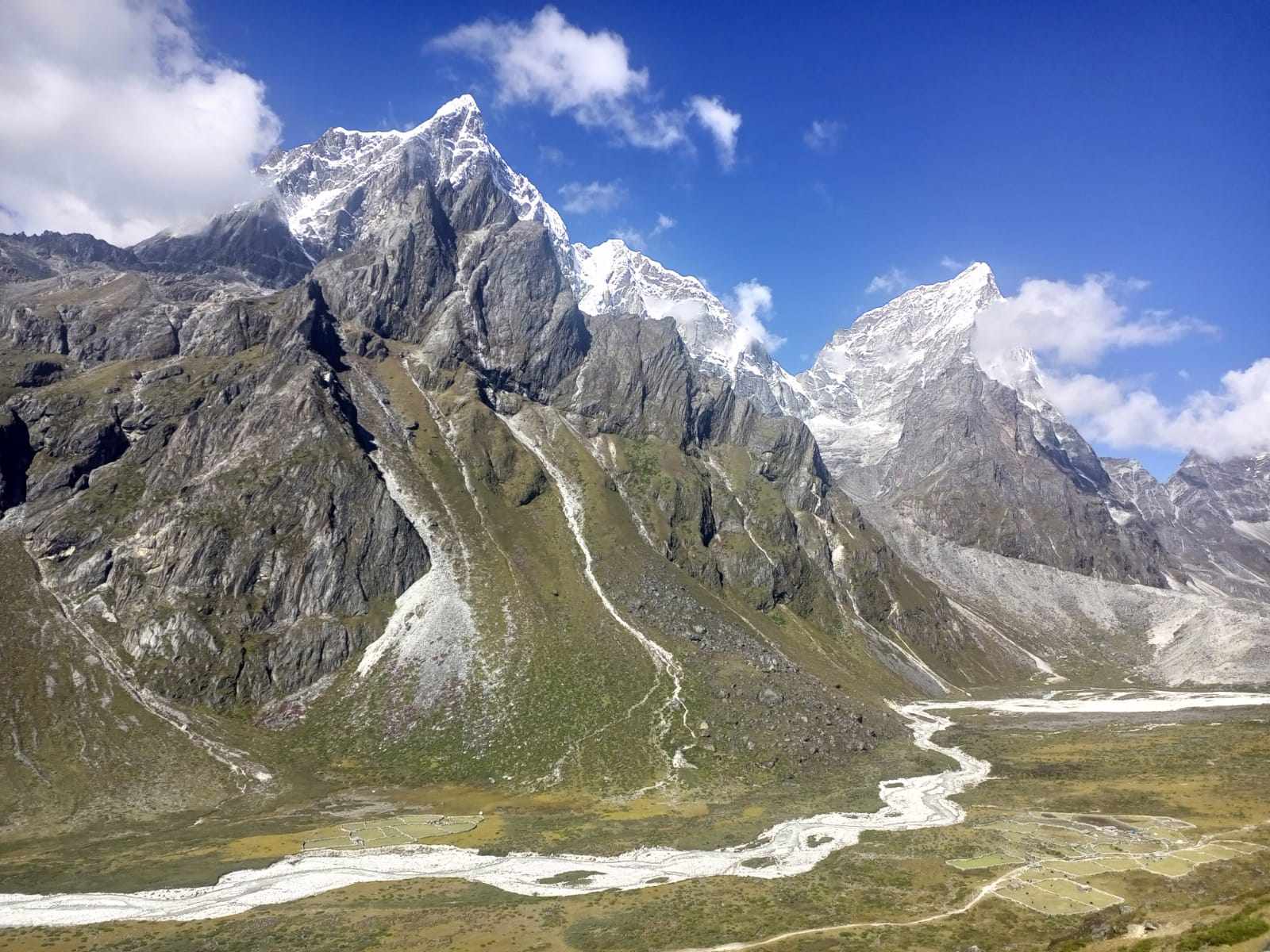
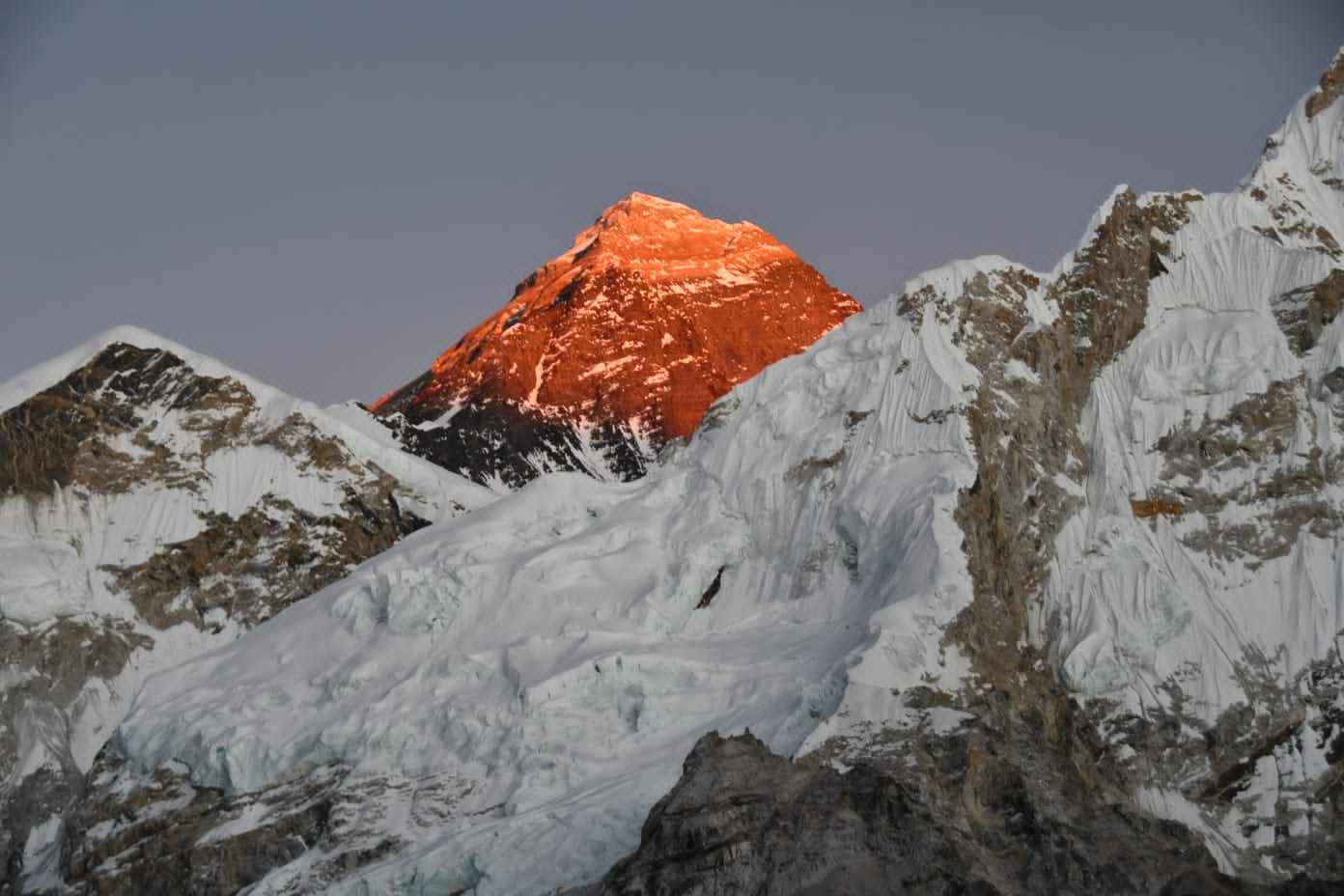
Annapurna Base Camp gives us a 360-degree view of the few highest mountains, such as Annapurna I, Machapuchare or Fishtail, and Hiunchuli, and finally culminates at ABC.
Best of all, the challenge for this hike is not so much the altitude (the trail isn’t that incredibly high at its peak), but the weather conditions that could change and are harder to predict. Success is about being able to work with a variable set of givens: the seasons along the way, what weather you’ll face, and who else will be there.
The Optimal Time to Trek to the Annapurna Base Camp.
What is the best time for the Annapurna Base Camp Trek? The best time of year to trek to the ABC Everest region can be accessed during both Spring (March to May) and Autumn (September to November). This is when you get the nicest weather, with blue skies, low temperatures, and decently stable conditions. Here’s why these two seasons are perfection, and what makes them different.
Spring Season: March to May
Spring is a high trekking season in Nepal, and the same holds for the Annapurna region. It is that period of the year to get moderate weather with daytime temperatures in the lowlands around 10°C - 15°C, night lows up in high altitudes down to near -5°C. Benefits of trekking in spring: Clear Blue Sky. The open sky and cool breezes are among the highlighted advantages this season.
The rhododendron forests at full bloom are yet another delight to the trek, particularly for those at a lower elevation. Red, pink, and white flowers. So do the legendary Japanese cherry blossom paths paint bright, vivid colors along their way. The temperature in the spring is just right to make you feel comfortable during a hike, and trekkers will not be affected by high or low temperatures.
But the Annapurna Region can also get crowded, as it’s peak trekking season. Local teahouses and trekking lodges were likely going to fill up. At the same time, some parts of the trek could become crowded with other walkers in a few months. If you can overlook the crowds and want to witness nature’s glories in full bloom, spring is wonderful.
Autumn Season: September to November
The autumn season, as it is called in Nepal, is one of the most popular times to hike in Nepal. The weather is brisk this time of year, with daytime temperatures ranging at lower altitudes from 5-15 °C (40- 60°F) and from -5 to -10 °C (20- 30°F) at higher elevations. The sky is typically clean, with huge perspectives of the massive peaks , including Annapurna I, Machapuchare, and Dhaulagiri.
And you're commonly in the post-monsoon season, so trails are dry and well-cared for, and also you’re less likely to encounter mudslides or slippery paths. A plus point for such trekkers who do not mind trekking in the autumn season is that it’s harvest time in the Annapurna region, so trekkers can have a local experience as they stay overnight at the lodges run by locals who are mainly busy with harvesting.
But, as in spring, fall remains prime hiking season. Trekking to Annapurna Base Camp can be crowded, especially at the end of October and the beginning of November. If you prefer a quieter trek, it is probably best to trek as early in the autumn season as possible.
Winter Season: December to February
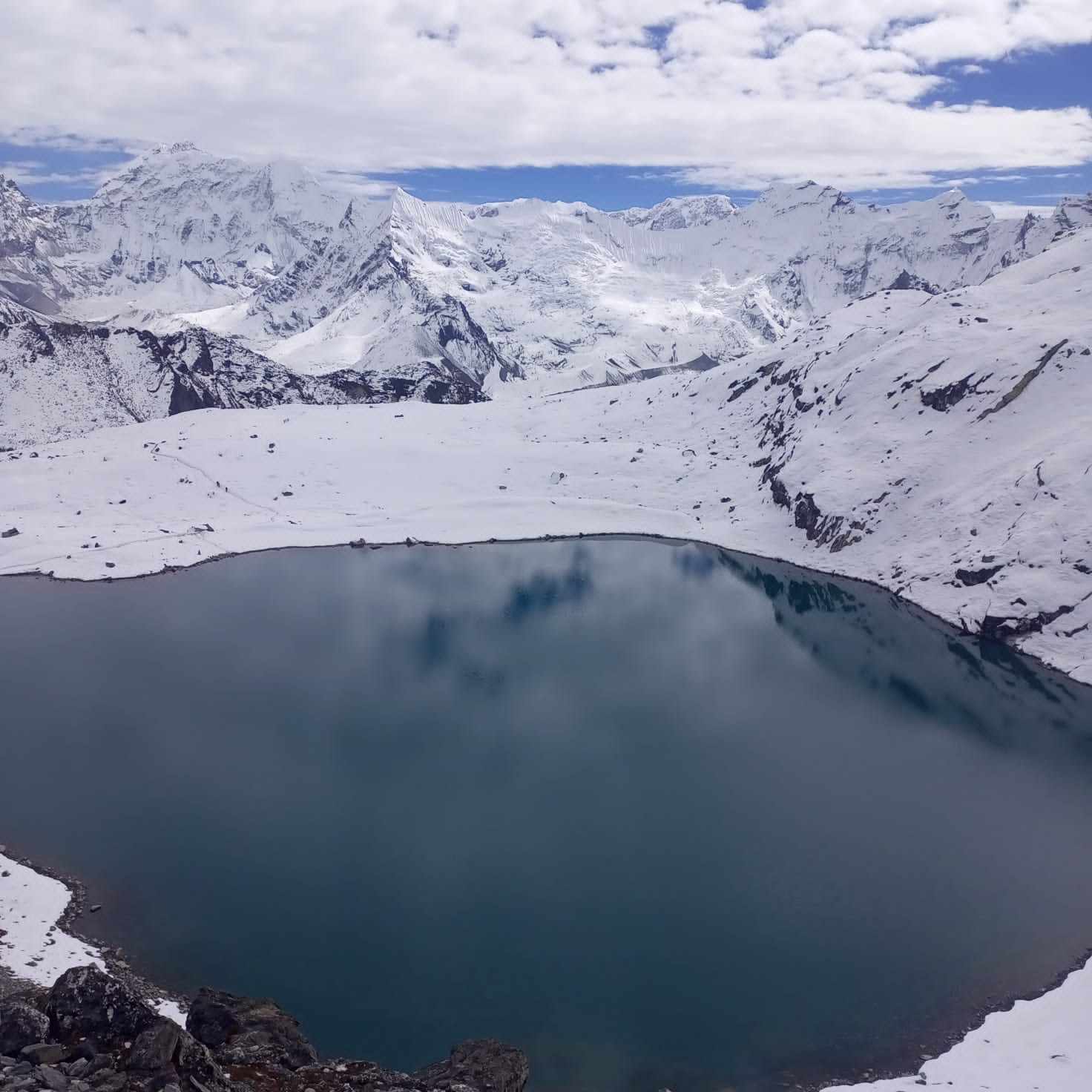
Annapurna region Winters are harsh and chill, freezing to extreme cold, up to high. The views along the way are stunning, with snow-capped views and a very tranquil feel, but hiking can be tough in winter. Daytime temperatures are around 0°C-5°C (32°F-41°F) in the valleys and cool off quickly at night, often reaching well below -10°C (14°F) in the mountains.
There are many fewer people on the trails than in high season — a plus if you prefer isolation. But to hike in winter would also mean snow, ice, and freezing temperatures, at least according to the ones I talked to higher up (at Annapurna Base Camp itself). Some of the trekking lodges may also close for winter, so your accommodation options can be a bit limited. It's so, there is a higher risk of avalanches, and the weather is highly unpredictable during winter, so it's less favorable time to trek here.
Most of them are scary during the cold months, which is why winter can be a serene, almost unpredictable trek. But this isn’t something for beginners or anyone not ready to contend with extreme conditions.
Monsoon Season: June to August
In Nepal, the monsoon season runs from June through August and brings lots of rain and humidity, as well as a very green country. In the lowest lowdown from the Annapurna region below, all this is blossomed out, a nd everything is clean, fresh, green as brand new,w but up there it's slushy muddy… lot of landslides too.
The views are often poor; a combination of clouds and rain can shut down those epic mountain vistas that make it suchthere'sial hike. There are many fewer trekkers during the monsoons, and the trail is mostly deserted, but there's a good chance of poor weather.
For the lovers of isolation, if you are willing to take the monsoon as your trekking challenge, it is still not impossible to go on the Annapurna base camp trek. Trek It will be advisable to take extra care and preparation.
What are the Best Seasonal Windows Features?
Here are a few things to keep in mind when planning the best time for the Annapurna Base Camp trek in 2026:
Weather: Consider the weather and temperature at higher elevations. Visitin.g The best visiting time is the days of clear sky, moderate climate, and quiet weather in spring and autumn.
Crowd Levels: To avoid the masses, steer clear of spring and fall high seasons. But if you’re not someone who frets too much over crowds and wants to see your trek in all its glory, well then, these are the seasons for you.
Altitude Acclimatization. Altitude sickness is a concern for the majority of trekkers. It'sure to hike over a time frame when you can take a few days to acclimate yourselves slowly at a higher altitude. It’s easier to get used to during the spring and fall when the weather is more moderate.
Lodging Options: During high season, there is ample accommodation to be found at teahouses all the way up. Some teahouses may close in the winter, and there tend to be fewer hikers in the monsoon season — so pack enough supplies.
While on your trek, your own level of experience with your trek also plays a huge role in determining when the best time to take your trip is. (Factor in as a beginner: You want to go in the spring, not during monsoon season, not just after winter ends (early April would be nice), but before monsoon begins or gets hot; late February/early March would also be fine—experienced cold- or wet-season hikers can go for winter months or even some of the monsoon.
Preparing Annapurna Base Camp trek for 2026
No matter what season it is, you’re hiking – Be prepared, and do the most on your hike. Make sure to work related muscles, purchase the right gear, and be prepared for any weather — especially long soaks in rain. Do check with local trekking agents for updates on trail status, teahouse accommodation, and permits.
Final Thoughts
The best time to go on the ABC trek in 2026. Mostly, it depends on the types of your favorite, physical level, skills , and experiences trekking there. If good weather and pretty scenery are your goal, then spring or autumn are the best options. But for trekkers looking to avoid the group of humanity and connect with nature, the monsoon season will provide a greater non-violent adventure. Whenever you decide to do it, the Annapurna Base Camp trek will actually be a journey you’ll never forget.


Write a comment ...